A 3-Day Bologna Itinerary for Food and Portico Lovers
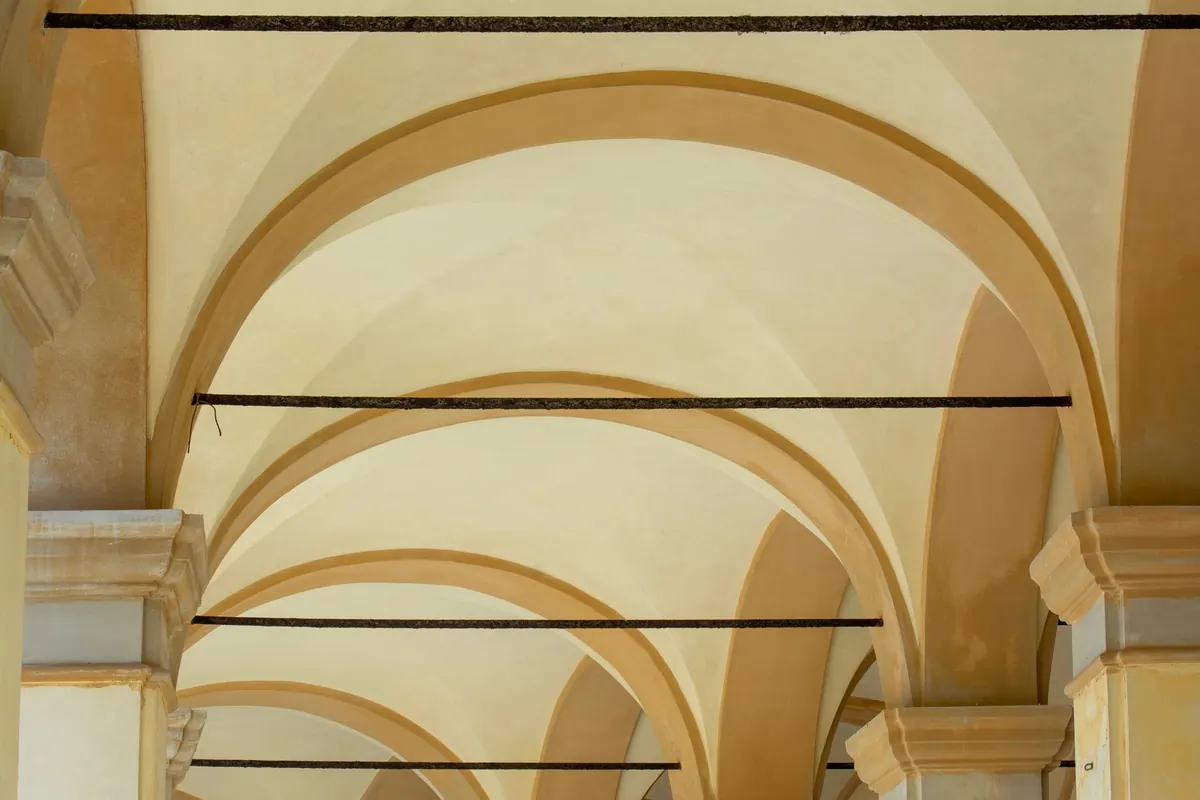
Bologna rewards walkers. The historic centre is flat, compact and wrapped in arcades that keep you dry in the rain and shaded in July, and almost everything worth eating sits within twenty minutes of Piazza Maggiore on foot. You do not need a bus pass or a taxi app to have a good three days here.
This itinerary is built for people who want both halves of the city: the food markets and the porticoes, the tortellini and the frescoed ceilings. It assumes you arrive by train, stay inside the old walls, and are happy to walk somewhere between eight and twelve kilometres a day. Comfortable shoes matter more than any reservation.
Day 1: The Quadrilatero, Piazza Maggiore and the first arcades
Start with coffee, standing at the counter, at Caffè Terzi on Via Oberdan. It is small, it roasts its own beans, and the counter price is a fraction of the table price — a rule that holds in every bar in the city. Drink it like a local: order, pay, drink, leave.
Then slip into the Quadrilatero, the grid of lanes between Piazza Maggiore and Via Rizzoli. Via Pescherie Vecchie, Via Caprarie, Via Drapperie, Vicolo del Cantone. Come before eleven, when these are still working streets — fish on ice, rounds of Parmigiano, trays of fresh tortellini — rather than the browsing version of lunchtime.
Where to stop for lunch
Two reliable options. Tamburini on Via Caprarie is a salumeria with a counter where you can put together a plate of mortadella, culatello and pickles. Mercato di Mezzo, a few steps away, is a covered food hall with several counters and long opening hours, useful when the weather turns. Either way, buy a slice of mortadella in a warm crescentina at some point today; it is the city's simplest great sandwich.
After lunch, cross Piazza Maggiore slowly. San Petronio's unfinished facade is worth a proper look — the church was meant to be far larger than the one standing there — and the Neptune fountain and Palazzo d'Accursio frame the square nicely. The steps of San Petronio are for admiring rather than picnicking; the city asks you not to sit on them.
Walk east through Piazza Galvani and Via Farini's arcades toward Piazza Santo Stefano, a triangular square that most visitors miss and locals treat as a living room. The basilica complex behind it, known as the seven churches, is free to enter and unusually quiet for a monument of its quality. Late afternoon is the right time. Take an aperitivo on the square, then have dinner a few streets back toward the centre. If you want something unusual, Osteria del Sole, one of the oldest wine bars in the city, serves wine and nothing else: you bring your own food from a nearby deli and eat at the shared tables.
Day 2: The climb to San Luca, then the towers and the market
The Portico di San Luca is the reason many people come to Bologna, and it deserves a fresh morning. The arcade runs roughly 3.8 kilometres from the edge of the centre up to the sanctuary on the hill, carried on more than six hundred arches. It is a genuine climb, not a stroll, so start early in summer.
Doing it sensibly
- Take bus 20 to Meloncello and start the portico there, saving your legs for the ascent.
- Carry a water bottle; there are fountains along the route and in the sanctuary courtyard.
- Wear shoes with grip — the worn bricks are slick after rain.
- Allow an hour up and forty minutes down, plus time at the top for the view over the city and the hills.
- Walk down the same way, or return through Via Saragozza's arcades if you want a different route back.
Have a late lunch near Saragozza and then spend the afternoon in the centre. The Archiginnasio, the old university building, holds the Anatomical Theatre, a room panelled in spruce wood and lined with carved figures, plus walls of student coats of arms in the stairways. Check the opening days before you go; it is not open every day, and the theatre occasionally closes for events.
Then walk to Le Due Torri. The Garisenda is heavily braced and closed while engineers work on its lean, but the Asinelli can be climbed by booking a timed slot in advance. It is a stiff ascent with narrow stairs and the reward is the closest thing the city has to a rooftop view.
Finish at Mercato delle Erbe on Via Ugo Bassi. In the morning it is a produce market; in the evening the stalls give way to small kitchens and bars, and the crowd is a mix of students, families and people stopping in after work. Eat there rather than at a table facing Piazza Maggiore, and you will notice the difference in both bill and conversation.
Day 3: The university quarter and the long portico east
Begin on Via Zamboni, the spine of the university district, where the arcades are taller and grubbier than in the centre and the bookshops open early. Piazza Verdi is loud, political and unmistakably a student square. San Giacomo Maggiore and its porticoed courtyard are a two-minute detour, and the Palazzo Poggi museum is a good small morning stop if you like old maps, anatomy models and scientific instruments.
Then walk back east along Via Santo Stefano, under an arcade that most visitors never follow. It heads out past the city gate and climbs gently toward the Certosa, the city's monumental cemetery, a quiet cypress-lined place that rewards a respectful wander. This is the portico at its most ordinary and most useful: no souvenir stalls, no queue, just the repeated rhythm of columns and the sound of footsteps.
Come back for a late lunch at Sfoglia Rina near Santo Stefano, where the pasta is rolled in front of you and the queue moves quickly, and follow it with gelato at Cremeria Santo Stefano. For your last evening, walk across to Via del Pratello on the west side: low rents, students, trattorias with paper tablecloths, and a livelier, less polished version of the Bologna you saw on day one.
How to eat well in a city that already eats well
- Learn the four words that matter: tagliatelle, tortellini, mortadella, squacquerone. Order all four at least once.
- Tortellini are eaten in brodo. If you want ragù, it comes with tagliatelle — never spaghetti.
- Lunch at the counter, dinner at the table. Market counters and salumerie cost less and often taste better than a restaurant lunch.
- Book dinner on Friday and Saturday. The good trattorias off the main squares fill up; a phone call in the morning is usually enough.Photo: Jan van der Wolf / Pexels