How to Plan a 7-Day Italy Trip by Train Without Overpaying
Italy by train is one of the great travel pleasures: you step off in the middle of a city, walk ten minutes, and lunch is already in front of you. The trouble usually starts before that, in a ticket cart full of half-planned legs. This guide is for the first-time rail traveler who wants a route that actually works and a buying strategy that avoids the two classic mistakes: paying walk-up prices for high-speed trains and buying tickets for journeys that never needed to exist.
Build the route before you open a ticket site
Most overspending on Italian trains comes from route design, not from fares. Every extra base means another transfer, another ticket, and usually another hotel check-in. For seven days, three bases is the sweet spot; four is the maximum before the trip starts to feel like a moving job.
Pick cities that sit on the same high-speed spine. Rome, Florence, Bologna and Venice line up neatly, north to south, and the fast trains between them are short enough that a travel morning costs you half a day rather than a full one. Naples, Milan and Verona can join the same logic without much extra effort.
Then choose a direction and stick to it. Rome to Venice, one-way, is cheaper and calmer than Rome to Venice and back to Rome for the flight home. Open-jaw flights — in to Rome, out of Venice — often cost only slightly more than a return, and they delete an entire train leg.
A seven-day plan that holds up in practice
Days 1–2: Rome
Land, take the train or bus into the city, and give Rome two full nights. There is no train leg here, which is the point: the first day of a trip should not involve a station.
Day 3: Rome to Florence
The Frecciarossa from Roma Termini to Firenze Santa Maria Novella takes roughly an hour and a half. Book a morning departure, drop bags at the hotel, and you still have the afternoon for the Duomo or the Brancacci Chapel. Stay two nights.
Day 4: Florence, with an optional short hop
Keep this day train-free, or use it for a cheap regional round trip — Pisa is about an hour each way, Lucca similar. Regional fares are fixed and inexpensive, so this is one of the few tickets you can safely buy on the day.
Day 5: Florence to Bologna to Venice
Here is a trick worth knowing: Florence to Bologna is only about 35–40 minutes on a high-speed train, and Bologna to Venice is around an hour and a half. Break the journey, leave luggage at Bologna Centrale's deposit, eat lunch under the porticoes, then continue north. One ticket chain, two cities, no extra hotel.
Days 6–7: Venice
Two nights in Venice and a morning train back to the airport or onward. Book to Venezia Santa Lucia, not Venezia Mestre — Mestre is the mainland station, and the last thing you want at the end of a travel day is a second ticket. The people mover or a vaporetto will finish the job.
Know what you are actually buying
Italy's rail network splits into two products, and they behave completely differently.
High-speed trains
Frecciarossa, Frecciargento, Frecciabianca and Italo trains are reserved, priced by demand, and sold in fare tiers. The cheapest tier sells out first and is not refundable; the flexible tiers cost considerably more. Two operators compete on the main north–south line, so it is worth comparing both before buying — the difference for the same journey can be noticeable.
Regional trains
Regionali and Regionale Veloce trains have fixed prices set by region. Booking months ahead gains you nothing, and there are no seat reservations. They are excellent value for short hops — Florence to Pisa, Naples to Sorrento via the Circumvesuviana connection, Verona to Lake Garda — and poor value for long distances, where they are slow and crowded.
On a seven-day trip like this one, a rail pass rarely pays off. Passes add reservation fees on the fast trains you actually want, and the advance fares you can book directly are usually lower.
The ticket-buying sequence
- Fix your dates and bases first. Changing a date on a discounted high-speed fare usually means buying a new ticket.
- Book high-speed legs as early as sales open — typically several months ahead. Set a reminder; the cheapest tier on popular morning departures goes first.
- Compare the two operators for each long leg rather than assuming one is always cheaper.
- Leave regional legs until the week before, or even the day. Fixed prices mean no advantage to early booking, and it keeps your plan flexible.
- Buy directly from the operators' own sites or apps, not through resellers, so changes and refunds are handled by the company running the train.
- Save every ticket offline. Screenshot the QR code or note the booking code; station wifi is unreliable and phone batteries die at the worst moment.
Where travelers overpay
- Buying high-speed tickets at the station on the day. The flexible fare can be several times the advance price.
- Booking a base they don't need. Two nights in a city you reach at 6pm and leave at 9am costs more than the train.
- Taking a high-speed train for a 40-minute hop. Where a regional train exists, it is often a fraction of the price.
- Paying for seat selection twice. Reservations are included in high-speed tickets; you are choosing a seat, not buying one.
- Ignoring the airport train. Leonardo Express into Rome and the Marco Polo connections into Venice are priced separately from your intercity tickets — budget for them.
Practical habits that make the week smoother
Arrive at the station 20–25 minutes before departure for high-speed trains. Unlike airports, there is no long security queue, but platforms are announced late and the walk can be longer than you think. On paper regional tickets, stamp them in the validation machine before boarding; digital tickets on your phone don't need it.
Pack for one carry-on. High-speed trains have racks at the end of each carriage and overhead space, but regional trains fill up fast, and hauling a large case up the steps while the doors are closing is nobody's idea of a holiday. Keep a small day bag with your passport, charger and a bottle you can refill at station fountains.
Finally, check for strikes before you travel. Italy publishes planned rail strikes in advance, and the operator's site will list guaranteed services. It is rare to be stranded, but knowing the alternatives on a travel day is worth five minutes of reading.
Before you go: a five-minute checklist
Confirm three bases and one direction. Book the open-jaw flights. Reserve the high-speed legs at the lowest available tier and save the confirmations offline. Leave the regional tickets for later. Check the exact station names — Termini versus Tiburtina, Santa Maria Novella, Santa Lucia versus Mestre. Then stop planning and start packing; the trains will do the rest.
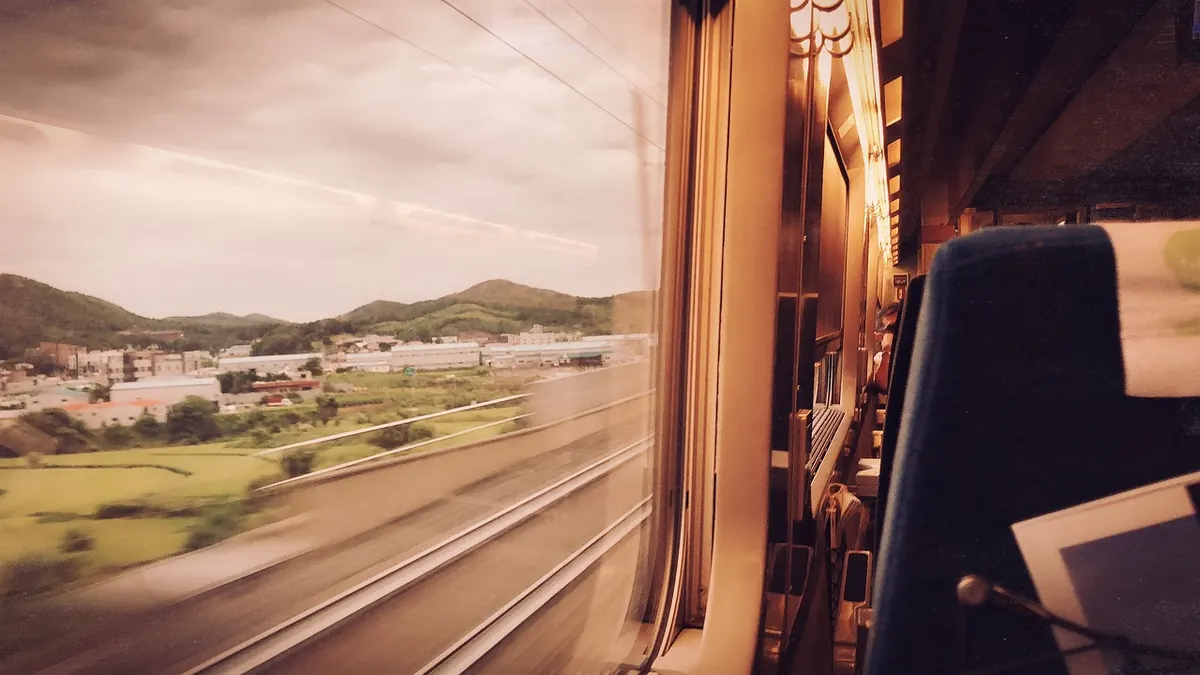
Photo: bhahn0 / Pixabay